
Wide Awake at 2 A.M.? 5 Ways to Quiet Your Mind and Fall Back Asleep
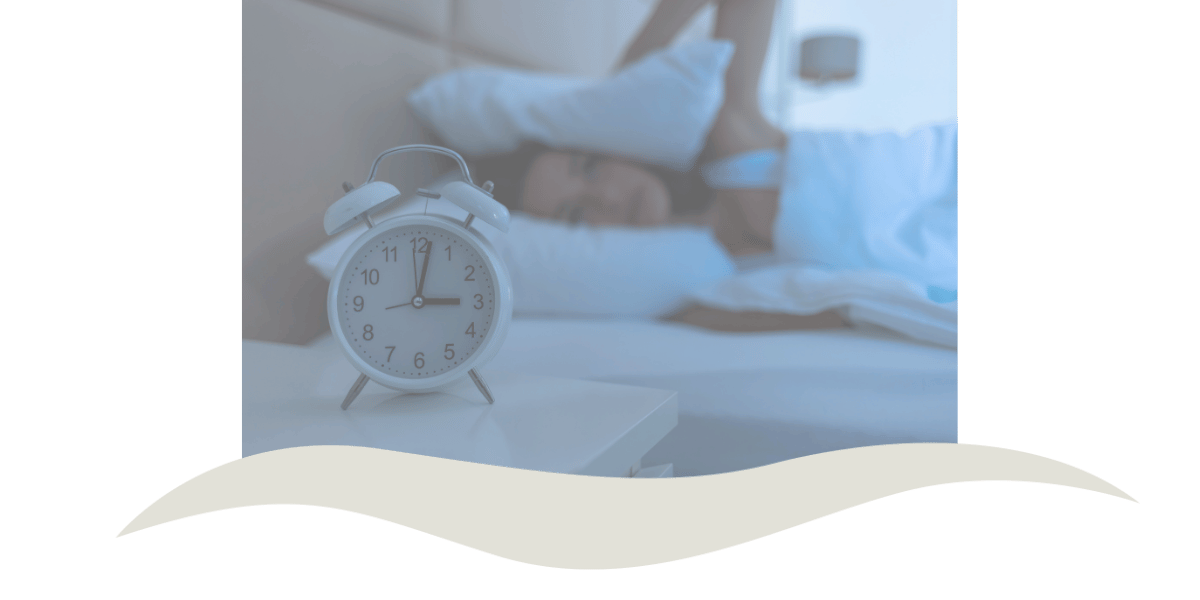
You’re exhausted all day, but the moment your head hits the pillow, your mind switches on. You replay your to do list, worry about tomorrow's meeting or just lie there frustrated, watching the clock tick past midnight, then 1 a.m., then 2. You know you need rest and the pressure to fall asleep only seems to make it harder. If this sounds familiar, you are dealing with something very common: a mind that will not power down when your body needs rest the most.
Why Your Mind Races at Night
During the day you are busy, distracted and moving from task to task. At night, with nothing left to distract you, your brain finally has room to process everything you pushed aside. For many people, bed becomes associated with worry and wakefulness instead of rest, which only makes the problem worse over time. The good news is that this pattern can be unlearned and insomnia therapy is built specifically to help you unlearn it.
5 Ways to Fall Asleep Faster
Get out of bed if you are not sleepy. Lying awake and frustrated trains your brain to associate your bed with wakefulness. If twenty minutes pass and sleep has not come, get up, sit somewhere dim and quiet, and return to bed only once you feel drowsy.
Keep a consistent wake time. Your wake time matters more than your bedtime for training your body's internal clock. Get up at the same time every day, even after a rough night, even on your days off and your sleep drive will gradually rebuild.
Write down tomorrow's worries tonight. Keep a notepad by your bed and jot down anything looping through your mind. Getting it out of your head and onto paper signals to your brain that it does not need to keep holding onto it.
Dim the lights an hour before bed. Bright light, especially from screens, delays the release of melatonin, the hormone that helps you feel sleepy. Lowering the lights in your home and minimizing screen time in the evening helps your body get the signal that it is time to wind down.
Skip the late afternoon nap. Naps can drain the sleep pressure you have built up all day, making it harder to fall asleep at night. If you need rest, keep naps short and earlier in the day.
When It Is More Than Just a Bad Night?
If you’ve been struggling with sleep for weeks or months, these strategies alone may not be enough, and that does not mean you are doing something wrong. Chronic insomnia often needs a more structured approach. Cognitive behavioral therapy for insomnia, known as CBT-I, is considered the most effective treatment available, often working better than sleep medication over the long run. It works directly on the thoughts and habits keeping your sleep cycle stuck, rather than just masking the symptoms for a night or two. I have applied these same tools to my own sleep and I use them every day with clients who are ready to finally get consistent, restful sleep again.
If tired, wired nights have become your normal, schedule a consultation with me and let's build a plan to get your sleep back on track.